Health and Safety Policy for House Clearance Thornton Heath
Purpose: This policy sets out the health and safety standards and procedures to be followed by our house clearance teams, subcontractors and all personnel engaged in residential clearance, rubbish removal and related waste services. It establishes clear accountability for safe working practices during property clear-outs, rubbish company operations and associated transport activities. The organisation is committed to preventing injury, protecting health and minimising environmental impact while delivering professional house clearance services across the service area.Scope and Responsibilities
This policy applies to all employees, agency staff and contractors involved with house clearance, rubbish collection and waste disposal tasks. The key responsibilities include:- Management — ensure adequate resources, supervision and risk assessments are in place;
- Supervisors — implement safe systems of work, PPE provision and site checks;
- Operatives — follow safe lifting, segregation and transport procedures and report hazards immediately.
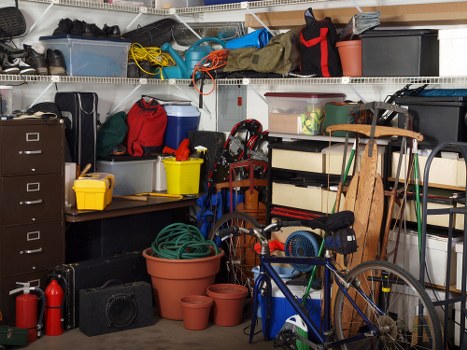 Risk assessment is central to safe operations. Before any clearance begins, teams must identify hazards such as sharps, asbestos suspicion, chemical containers, unstable furniture and vermin. A documented assessment must determine controls: exclusion zones, specialist disposal for hazardous items, manual handling aids and traffic management for vehicle movements. All site-specific precautions are recorded and communicated to the team prior to work commencing, with records retained for audit.
Safe Work Procedures and Equipment
Standard procedures guide everyday tasks carried out by the house clearance crew. These include: safe manual handling techniques, correct use of sack trucks and dollies, use of mechanical aids for heavy items, and secure loading for rubbish lorries. House clearance services must ensure vehicles are properly maintained and loads are covered or contained to prevent spillage during transit. PPE such as gloves, safety boots, hi‑vis and eye protection are mandatory where risks are present. Hazardous and controlled waste require special handling. Items suspected of containing asbestos, paints, solvents, batteries, medication or sharps must be segregated and processed through authorised channels. Our policy prohibits placing hazardous materials in general rubbish loads; instead, trained operatives follow legal waste classification and labeling, using specialist contractors for disposal where necessary to meet regulatory standards.
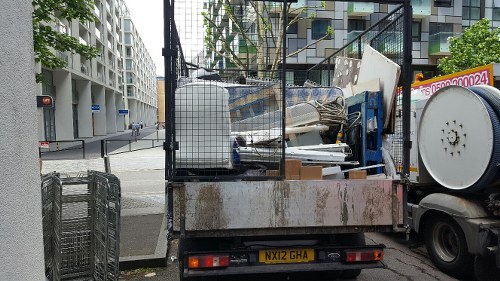
Vehicle and transport safety is critical: drivers must be licensed and trained for the vehicle class, pre‑start checks are completed daily, and route planning minimises reversing in tight residential streets. For rubbish removal in the service area, drivers and loaders coordinate to ensure safe loading heights, balanced loads and secure tie‑downs. A mobile phone policy supports safe communications without causing distractions while operating vehicles.
Training and competence are core to this health and safety policy. All operatives receive refresher training on manual handling, hazardous waste awareness, lone‑working protocols and incident reporting. Toolbox talks are held regularly to address seasonal risks, site‑specific hazards and near‑miss learnings. Records of training, licenses and medical checks are maintained to ensure continued competence across all house clearance teams.
 Incident, accident and emergency procedures describe the steps to follow if an injury, spill or fire occurs. First aid arrangements and nominated first‑aiders are identified on every job sheet. Incidents are reported immediately, investigated and actions recorded to prevent recurrence. In the event of a hazardous materials discovery, work is suspended and the designated competent person arranges safe containment and disposal with specialist support.
 Environmental controls and waste minimisation strategies are embedded in operations. Wherever possible, materials are sorted for reuse, donation or recycling rather than landfill. The rubbish company operational plan promotes diversion of textiles, metals, wood and electrical items to appropriate reprocessing streams. Teams log tonnages and disposal routes to demonstrate responsible waste management and continual improvement in environmental performance.
Contractor management and compliance: subcontractors engaged for bulky collections, hazardous removals or specialist services must provide evidence of relevant certification, insurance and safety procedures. Routine audits and site inspections verify compliance with this policy. Any third party that fails to meet standards is suspended until corrective actions are implemented.
Monitoring, review and continuous improvement: safety performance is tracked through lead and lag indicators including training completion, near‑miss reports, lost time injuries and audit outcomes. This policy is reviewed annually or when significant legislative, organisational or operational changes occur. Amendments are communicated to all staff and included in induction for new team members.
Commitment: The organisation is dedicated to maintaining a safe working environment for everyone involved in house clearance and rubbish removal operations. By following these procedures, applying risk controls, investing in training and promoting a culture of safety, we aim to protect people, property and the environment while delivering reliable house clearance services across our service area. This policy is endorsed by senior management and is mandatory for all personnel engaged in clearance activities.